brooksdrqq296.nexorafield.com

The Fact Concerning Teeth Whitening: Dangers And Adverse Effects

Threats Of Teeth Lightening Too Often: What You Need To Know During teeth lightening, gum irritation is a common side effect that can take place, particularly when making use of at-home sets. The lightening representatives existing in these items can irritate the gum tissues and cause pain. To stop periodontal irritability, it is essential to adhere to the guidelines meticulously and avoid applying way too much product.

Adhere To Instructions

Quicker tooth lightening can be achieved through in-office bleaching because the products provide greater concentrations of peroxide than OTC. Subsequently, gingival cells are usually shielded before the agent is applied. Some specialists make use of laser systems to increase the price of the chain reactions. This use lasers is thought about to be an 'off-label' use of laser systems in dental care by the US Fda. In an organized evaluation by Buchalla and Attin3 no added take advantage of light-activated systems was found and thus the American Dental Organization does not endorse such lightening systems. Tooth lightening outcomes are seen after one 30- to 60-minute therapy.

Novelly Family Dentistry And Orthodontics

What are the dangers of bleaching teeth?

Risks frequently reported with tooth whitening include increased tooth level of sensitivity and moderate gingival inflammation. The level of these negative effects is directly related to the focus of the peroxide bleach part, duration of the treatment, and the non-bleach structure of the item used.

Bleaching rinses consist of oxygen resources such as hydrogen peroxide to react with the chromogens. Supplier's guidelines are for twice a day washing for one minute each. It occupies to 3 months to see a 1 or 2 color enhancement in tooth shade. Cavities need to be dealt with prior to undertaking any type of lightening treatment. This is since the lightening services pass through right into any existing degeneration and the inner locations of the tooth, which can cause sensitivity. Additionally, lightening treatments will not work with exposed tooth origins, because roots do not have an enamel layer.
  • First, avoid consuming any food or drinks that are known to cause discoloration for a minimum of 48 hours after the therapy.
  • Typicalside impacts of store-bought whitening products happen from the abuse of the gelsolution.
  • Teeth-whitening is suitable for individuals that have healthy, unrestored teeth (no fillings) and gum tissues.
  • See our workplace with your family and talk to our dental expert who will certainly be glad to learn through you.
  • Your teeth may be a little sensitive after you lighten, yet it's generally short.
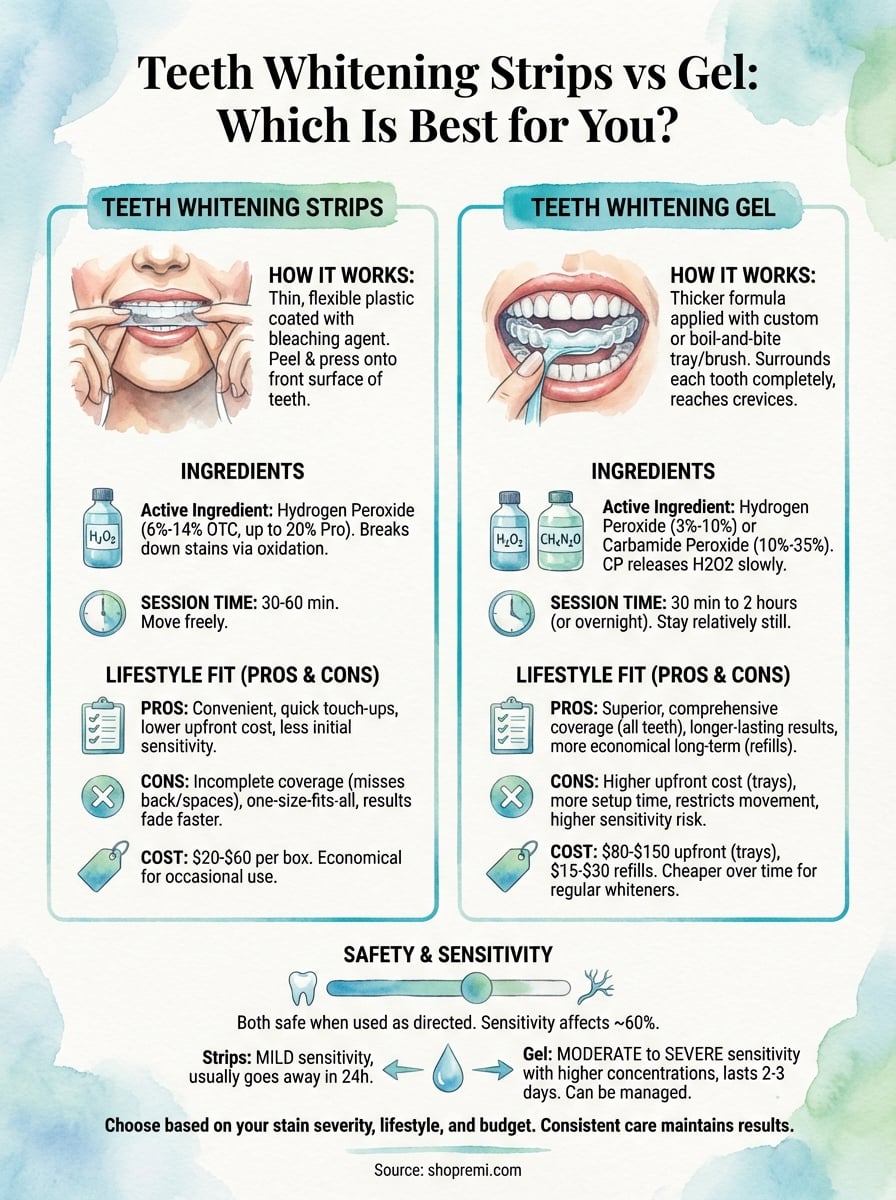
Although it makes good sense when it concerns oral hygiene, teeth bleaching can have unfavorable effects due to excess use of chemicals typically involved in the process. It started when celebrities selected pearly white teeth in a matter of days. Their bright smiles attracted click here their fans, and people began gathering to oral professionals to lighten their teeth. If you begin noticing prickling, pains, or periodontal pain after bleaching, it's time to take a break. Exaggerating it could also subject the dentin underneath, creating permanent level of sensitivity. Whether done expertly or with over-the-counter products, the goal is the same, whiter, brighter teeth. Nonetheless, before embarking on a teeth bleaching trip, it is necessary to understand the potential negative effects of teeth bleaching that could occur. The most typical negative effects of teeth whitening is temporary sensitivity. This sensitivity should not last greater than a couple of days after the treatment and is typically convenient with a special, anti-sensitivity tooth paste. Smokers need to be aware that their outcomes will certainly be limited unless they refrain from proceeded smoking, particularly during the lightening procedure. A healthy guide is to accomplish a color somewhat whiter than the whites of your eyes. This update offers a recap of existing research and evaluation of the safety and security and efficiency of tooth lightening regimens. Dental bonding utilizes a tooth-colored resin applied and hardened with a special light. Whitening agents do not affect oral remediations, which can result in unequal color. Constantly Visit this link discuss your oral history with your dentist prior to beginning dental lightening therapy. Excessive using bleaching products or using high-concentration gels inaccurately might weaken enamel. However, this is uncommon when you comply with expert advice for whitening teeth treatment. Brushing and flossing are daily methods to maintain your teeth bright, white and healthy and balanced. Still, if you may seem like your smile is lacking some shimmer or is much more yellow than it utilized to be, you're not the only one. Studies suggest, too, that whiteners might chemically react to ceramic crowns, sealers and various other oral reconstructions. Teeth bleaching is a preferred and highly effective method to brighten your smile. Cleaning, flossing, and normal cleansings boost the effectiveness of oral bleaching and assistance preserve a bright smile. Teeth with existing remediations like crowns or dental fillings might bleach in a different way from all-natural teeth. This is a crucial consideration if you want a consistently whiter teeth appearance. Every one of these techniques intend to enhance the look of your teeth safely, yet each features various teeth whitening effects and constraints. If you have fillings, crowns, or veneers, these oral repairs will certainly not lighten like natural teeth, bring about an unequal smile. Both side effects that happen usually with teeth bleaching are a short-lived increase in tooth level of sensitivity and mild irritation of the soft tissues of the mouth, particularly the periodontals. Tooth level of sensitivity usually happens during early stages of the whitening treatment. Cells inflammation most frequently results from an uncomfortable mouthpiece tray as opposed to the tooth-bleaching agent. Both of these conditions normally are momentary and vanish within 1 to 3 days of quiting or finishing treatment.